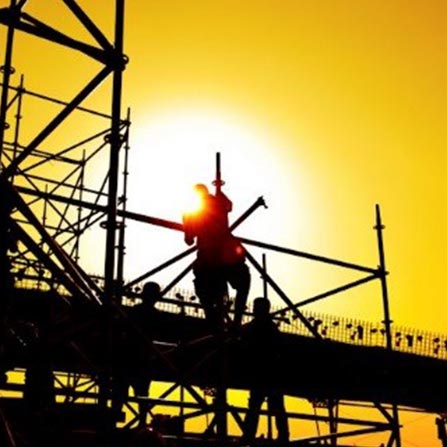
Safe Scaffold Erection and Inspection

Scaffolds are widely used in the construction industry to perform work at height safely and efficiently. However, improper scaffold erection, unsafe use, inadequate structural condition, or failure to conduct timely inspections may result in scaffold collapse, falls from height, severe injuries, and fatal incidents.
The training covers general scaffold safety requirements, structural components, and the fundamental principles of scaffold erection, use, and dismantling. Particular attention is given to the safe erection, proper use, and inspection of different types of supported and suspended scaffolds.
Throughout the training, participants will learn the inspection criteria and procedures applicable to different types of scaffolds, become familiar with methods for identifying potential defects and unsafe conditions, and develop the knowledge and practical skills necessary for the safe use of scaffolding systems.
Program Components
1. General Scaffold Safety Requirements and Erection Principles
- Purpose, main components, and structural characteristics of scaffolds;
- Fundamental scaffold safety principles and requirements;
- Preparatory work before scaffold erection;
- Assessment of supporting surfaces and ensuring structural stability;
- Requirements for scaffold anchorage and safe erection;
- Key risks to consider during scaffold erection.
2. Types of Supported Scaffolds, Safe Erection, and Inspection
- Fabricated Frame Scaffolds – structural components, safe erection requirements, and inspection criteria;
- Tube and Coupler Scaffolds – structural characteristics, safe assembly principles, and component inspection;
- Mobile and Pole Scaffolds – safety requirements for movement and operation;
- Bricklayer's Square Scaffolds – structural setup, safe use, and inspection requirements;
- Specialty Supported Scaffolds – types of specialized structures and their erection and inspection requirements;
- Assessment of the technical condition and inspection procedures for supported scaffolds.
3. Types of Suspended Scaffolds, Safe Operation, and Inspection
- Main components and structural characteristics of suspended scaffolds;
- Suspension and anchorage systems;
- Requirements for safe erection and operation of suspended scaffolds;
- Key inspection criteria for suspended scaffolds;
- Inspection of the technical condition of suspension components, ropes, platforms, and other elements;
- Structural characteristics of specialty suspended scaffolds;
- Safety requirements and inspection procedures for specialty suspended scaffolds.
4. Safe Scaffold Use, Technical Monitoring, and Dismantling
- Safety requirements during scaffold operation;
- Scaffold load control and the importance of permissible load limits;
- Identification of potential defects and unsafe conditions;
- Periodic inspection of scaffold structural condition;
- Evaluation of inspection findings and determination of scaffold readiness for safe use;
- Fundamental principles of safe scaffold dismantling;
- Roles and responsibilities of personnel responsible for scaffold safety.
Who Should Attend?
This training is designed for construction sector employees and other personnel involved in scaffold erection, inspection, operation, and safety monitoring.
Including:
✅ Construction workers and technical personnel;
✅ Employees involved in scaffold erection and dismantling;
✅ Personnel responsible for scaffold inspections;
✅ Scaffold erection supervisors and managers;
✅ Construction site managers and forepersons;
✅ Employees performing work at height;
✅ Occupational health and safety specialists and managers;
✅ Competent persons responsible for monitoring scaffold structural condition and safety;
✅ Anyone whose job responsibilities involve the use of scaffolding systems.
⏱️ Duration: 5–7 hours
📍 Format: Certificate Training – Theoretical and Practical Sessions
📜 Certificate: Issued upon successful completion of the final assessment (examination).