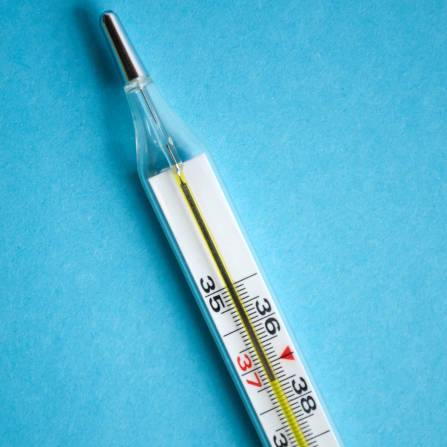
Healthcare Mercury Safety

Mercury is one of the most hazardous toxic substances used in healthcare settings. Inhalation of mercury vapor or direct skin contact may result in serious and sometimes irreversible health effects. Although many healthcare facilities are transitioning to mercury-free medical devices, mercury-containing thermometers, sphygmomanometers, and other equipment are still found in many workplaces. Improper handling, accidental spills, or inadequate cleanup procedures can significantly increase health risks for employees and patients.
The Mercury Safety and Spill Response intensive theoretical and practical training program is designed to provide participants with comprehensive knowledge of mercury hazards, health effects, exposure prevention, and safe work practices. The program is based on international best practices in occupational health and safety and covers mercury spill response procedures, the proper use of personal protective equipment (PPE), and the implementation of mercury-free alternatives to improve workplace safety.
Program Components
1. Mercury and Occupational Health Risks
- What mercury is and where it is used in healthcare;
- Routes of mercury exposure and factors affecting toxicity;
- Health effects of acute and chronic mercury poisoning.
2. Risk Prevention and Control
- Preventing mercury exposure using the Hierarchy of Controls;
- Workplace safety requirements for handling mercury-containing equipment;
- Selection and proper use of Personal Protective Equipment (PPE).
3. Spill Response and Safe Work Practices
- Safe procedures for cleaning up mercury spills;
- Isolation of contaminated areas and emergency response measures;
- Basic principles of safe mercury waste management.
4. Modern Safety Approaches
- Benefits of using mercury-free medical devices;
- Best practices for protecting occupational health;
- Measures for maintaining a safe healthcare work environment.
Who Should Attend?
✅ Physicians;
✅ Nurses and nursing assistants;
✅ Laboratory personnel;
✅ Biomedical engineers and maintenance personnel;
✅ Housekeeping and healthcare waste management staff;
✅ Occupational Safety and Health (OSH) and Infection Prevention professionals;
✅ Anyone working in healthcare facilities who may come into contact with mercury-containing medical devices or mercury waste.
⏱️ Duration: 3–5 hours
📍 Format: Certification training – theoretical and practical sessions
📜 Certificate: Issued upon successful completion of the final assessment (examination).