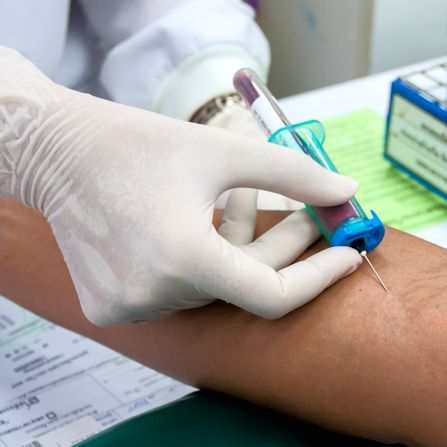
Bloodborne Pathogens in the Healthcare Setting

The training “Bloodborne Pathogens in Healthcare Settings” is a specialized safety training focused on protection against bloodborne infections and is designed to reduce or eliminate occupational exposure risks for healthcare personnel.
Throughout the training, participants will learn about the key characteristics of bloodborne pathogens, their routes of transmission and spread, the risks of infection in healthcare settings, prevention and control methods, and practical approaches to safely handling potentially infectious materials.
Particular attention is given to the Exposure Control Program, the proper use of Personal Protective Equipment (PPE), prevention of needlestick and other sharps injuries, practical application of Universal and Standard Precautions, laboratory safety, and notification and response procedures following potential exposure.
The training also covers Hepatitis B (HBV) immunization, proper cleaning and disinfection of the workplace and equipment, safe handling of contaminated materials, and key requirements for employee information and training regarding bloodborne pathogen hazards.
Program Components
1. Bloodborne Pathogens and Occupational Exposure Risks
- Definition and examples of bloodborne pathogens;
- Key characteristics of bloodborne pathogens;
- Symptoms and routes of exposure associated with bloodborne infections;
- Routes of transmission and spread of bloodborne infections;
- Risks of infection with bloodborne pathogens in healthcare settings;
- Work activities and positions with an increased risk of occupational exposure.
2. Exposure Control and Preventive Measures
- Employer’s Exposure Control Program;
- Key exposure control methods;
- Preventive measures for reducing exposure to bloodborne pathogens;
- Personal Protective Equipment (PPE) and its proper use;
- Universal and Standard Precautions and their practical application;
- Prevention of needlestick and other sharps injuries;
- Importance of safe work practices in healthcare settings.
3. Laboratory and Workplace Safety
- Key laboratory safety rules and practices;
- Proper cleaning and disinfection of the workplace and equipment;
- Procedures for the safe handling of contaminated materials;
- Safe management of potentially infectious materials;
- Practical measures for controlling infectious hazards in the workplace;
- Maintaining safe and sanitary conditions in healthcare settings.
4. Immunization, Exposure Response and Employee Training
- Hepatitis B (HBV) immunization;
- Employer responsibilities related to Hepatitis B immunization;
- Notification and response procedures in the event of exposure to bloodborne pathogens;
- Timely identification and reporting of exposure incidents;
- Required initial and follow-up actions following exposure;
- Employee information and training requirements regarding bloodborne pathogen hazards;
- Compliance with safety procedures for protection against bloodborne pathogens.
Who Is This Training For?
The training is designed for healthcare personnel whose job duties may involve occupational exposure to blood or other potentially infectious materials.
This includes:
✅ Physicians and nurses;
✅ Medical and support personnel;
✅ Laboratory personnel;
✅ Emergency and urgent care personnel;
✅ Dental clinic employees;
✅ Personnel who work directly with patients;
✅ Cleaning and sanitation service employees;
✅ Occupational health and safety specialists;
✅ Supervisors and managers of healthcare facilities.
⏱️ Duration: 5–7 hours
📍 Format: Certificate Training – theoretical and practical components
📜 Certificate: Issued upon successful completion of the final assessment (exam).