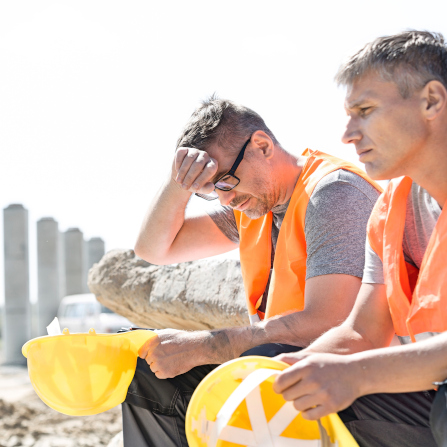
Heat Injury and Illness Prevention

The training “Prevention of Heat-Related Injuries and Illnesses – For Employees” is designed for employees who work in high-temperature conditions, including outdoor or indoor work environments where adequate climate control is not provided.
The training introduces participants to the health risks associated with heat exposure, contributing risk factors, preventive measures, and practical workplace safety approaches.
Particular attention is given to recognizing the early signs and symptoms of heat stress, proper hydration, rest breaks, workload management, acclimatization, the proper use of Personal Protective Equipment (PPE), and workplace environmental control measures.
The training also covers basic emergency response procedures in the event of a heat-related illness, assessment of an affected employee’s condition, and the importance of obtaining timely emergency medical assistance.
Participants will also learn about employees’ rights regarding protection from heat exposure, the right to report workplace safety concerns, and the principles of protection against retaliation or reprisal when reporting safety-related issues.
Program Components
1. Understanding Heat-Related Illnesses and Risks
- Heat exposure in the workplace;
- Main types of heat-related illnesses;
- Signs and symptoms of heat-related illnesses;
- Risk factors contributing to heat stress;
- Environmental risk factors;
- Work-related risk factors;
- Individual risk factors;
- The importance of ANSI A10.50-2024 requirements for the prevention of heat-related illnesses.
2. Preventive Measures and Heat Stress Management
- Key principles for preventing heat-related illnesses;
- The importance of rest breaks;
- Proper hydration and fluid intake;
- Workload management;
- The importance of acclimatization;
- Management of PPE use and removal in accordance with safety requirements;
- Heat Stress Management Program (HSMP);
- The importance of workplace-specific procedures.
3. Control Strategies and Protective Measures
- Engineering controls for the workplace environment;
- Ventilation and air circulation;
- Use of cooling systems and equipment;
- Cooling PPE and its proper use;
- Heat shields and barriers;
- Organization of work processes and work schedules;
- Administrative measures to reduce heat exposure;
- Effective workplace safety communication.
4. Emergency Response, Training and Employee Rights
- Emergency response procedures in the event of heat-related illness;
- Assessment of an affected employee’s condition;
- Basic steps for safely reducing body temperature;
- The importance of promptly calling for emergency medical assistance;
- The importance of initial and refresher training;
- Effective communication of heat safety information;
- Employees’ rights regarding protection from heat exposure;
- The right to report workplace safety concerns;
- Principles of protection against retaliation and reprisal when reporting safety-related concerns.
Who Is This Training For?
✅ Employees who work outdoors;
✅ Employees who work in high-temperature conditions;
✅ Employees who work in enclosed spaces without adequate climate control;
✅ Employees in the manufacturing and construction sectors;
✅ Employees who work with heat-generating equipment or processes;
✅ Employees who use Personal Protective Equipment (PPE) while working in high-temperature conditions;
✅ Supervisors and work group members whose duties involve the risk of heat exposure.
⏱️ Duration: 5–7 hours
📍 Format: Certificate Training – theoretical and practical components
📜 Certificate: Issued upon successful completion of the final assessment (exam).