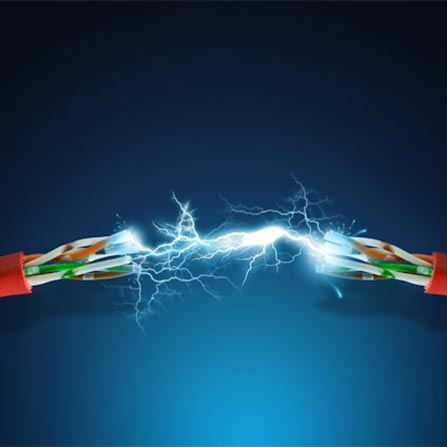
Focus Four - Electrocution Hazards

Electrical injuries are among the significant and high-risk hazards in the construction industry and may result in electric shock, burns, cardiac arrest, severe injuries, or fatal incidents. Electrical hazards are particularly common when working near electrical wiring, high-voltage power lines, live electrical circuits, and power tools.
This training is the fourth and final part of the Focus Four Hazards training series, which addresses the four major hazards in the construction industry. It aims to raise participants' awareness of electrical hazards, their underlying causes, and effective prevention methods.
Throughout the training, participants will learn about the risks associated with high-voltage power lines and live electrical circuits, methods of protection against electrical injuries, the purpose and operating principles of Ground-Fault Circuit Interrupters (GFCIs), safe practices for using electrical tools, and energy isolation and lockout/tagout procedures (LOTO).
Program Components
1. Major Electrical Hazards in the Construction Industry
- Definition and key characteristics of electrical hazards;
- Common examples of electrical injuries and hazards in the construction industry;
- Major causes and potential consequences of electrical injuries;
- Hazards associated with electrical wiring and electrical equipment;
- Risks of electric shock, burns, cardiac arrest, and other severe injuries;
- Importance of timely recognition and identification of electrical hazards.
2. High-Voltage Power Lines and Live Electrical Circuits
- Hazards associated with working near high-voltage power lines;
- Importance of maintaining safe distances from overhead power lines;
- Risk control and preventive measures related to high-voltage power lines;
- Live electrical circuits and hazards associated with energized electrical systems;
- Conditions and risk factors that may cause electric shock;
- Safety requirements when working near or with live electrical circuits.
3. Electrical Protection Systems and Safe Work Practices
- Fundamental methods of controlling electrical hazards;
- Protective systems and devices designed to prevent electrical injuries;
- Principles of safe operation of electrical equipment;
- Ground-Fault Circuit Interrupters (GFCIs) – purpose, operating principles, and applications;
- Importance of GFCI devices in preventing electrical injuries;
- Inspection of the technical condition of electrical tools;
- Identification of damaged cables and electrical equipment;
- Requirements for the safe use and operation of electrical tools;
- Personnel protection principles and the use of appropriate protective equipment.
4. Energy Isolation and Lockout/Tagout Procedures (LOTO) and Electrical Hazard Prevention
- Purpose and fundamental principles of Lockout/Tagout (LOTO) procedures;
- Identification of energy sources;
- Energy isolation and lockout procedures;
- Use of warning signs and tags;
- Verification of equipment's safe condition before starting work;
- Preventive measures for controlling electrical hazards;
- Safe work practices and ensuring employee awareness;
- Use of appropriate protective equipment and reduction of electrical injury risks.
Who Should Attend?
This training is designed for construction sector employees and other personnel whose work activities involve electrical energy sources, electrical equipment, and risks of exposure to electric current.
Including:
✅ Construction workers and technical personnel;
✅ Employees performing electrical installation and electrical work;
✅ Electricians and electrical technical personnel;
✅ Employees working near high-voltage power lines;
✅ Users of power tools and electrical equipment;
✅ Construction site supervisors and managers;
✅ Site engineers, work supervisors, and forepersons;
✅ Occupational health and safety specialists and managers;
✅ Anyone whose job responsibilities involve electrical energy sources, electrical equipment, and risks of exposure to electric current.
⏱️ Duration: 5–7 hours
📍 Format: Certificate Training – Theoretical and Practical Sessions
📜 Certificate: Issued upon successful completion of the final assessment (examination).