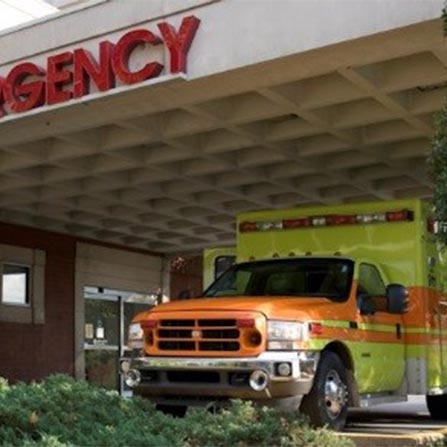
Healthcare Hospital Emergency Room Safety

Healthcare – Emergency Department Safety is a specialized certificate training program designed for physicians, nurses, paramedics, support staff, and other personnel working in hospital emergency departments.
Employees working in emergency departments face a wide range of occupational hazards on a daily basis. Emergency departments are open to patients and visitors with diverse needs and conditions, including individuals who may display violent behavior, people who use drugs, and other high-risk individuals. In addition, many patients may be medically unstable, while care is delivered in a fast-paced environment, increasing the likelihood of accidents and other occupational risks.
The training introduces participants to the major hazards found in emergency department environments and methods for their prevention and control. The course covers safety issues related to bloodborne pathogens, hazardous chemicals, medical equipment, infectious diseases, workplace violence, occupational stress, and emergency situations.
Program Components
1. Biological and Infectious Hazards
- Risks of exposure to bloodborne pathogens in the emergency department and safe work practices;
- Employer responsibilities for providing a safe working environment;
- Tuberculosis (TB) exposure risks;
- Risks associated with exposure to methicillin-resistant Staphylococcus aureus (MRSA);
- Hazards associated with Anthrax;
- Key measures for preventing the spread of infectious diseases and protecting employees.
2. Chemicals and Medical Equipment
- Hazards associated with hazardous chemicals;
- Safe handling and use of hazardous chemicals;
- Hazards associated with equipment and materials used in emergency departments;
- Basic principles of safe work with medical equipment;
- Prevention of slips, trips, and falls.
3. Workplace Violence and Security
- Key workplace violence risks in emergency departments;
- Identification of workplace violence risk factors;
- Appropriate response measures during incidents of violence;
- Basic principles for protecting employees and patients;
- Preventive and control measures for reducing security risks.
4. Occupational Stress and Psychosocial Hazards
- Key hazards associated with work-related stress;
- The impact of occupational stress on employee health and job performance;
- Identification of factors that contribute to workplace stress;
- Preventive measures for reducing work-related stress.
5. Emergency Situations and Terrorism-Related Hazards
- Key elements of a hospital Emergency Response Plan;
- Potential terrorism-related hazards in emergency departments;
- Basic response principles for terrorist incidents;
- Key response measures in the event of potential Anthrax exposure;
- Methods for protecting employees during emergency situations.
Who Is This Training For?
✅ Emergency department physicians;
✅ Nurses;
✅ Nursing assistants and healthcare attendants;
✅ Paramedics and emergency medical services personnel;
✅ Emergency department administrative and support staff;
✅ Employees involved in patient transportation and care;
✅ Security and safety personnel working in emergency department environments;
✅ Emergency department managers and supervisors;
✅ Occupational Safety and Health professionals;
✅ Other employees who may be exposed to emergency department hazards as part of their work.
⏱️ Duration: Determined according to the training program and organizational needs
📍 Format: Certificate Training – Theoretical and Practical Components
📜 Certificate: Issued upon successful completion of the final assessment/examination.