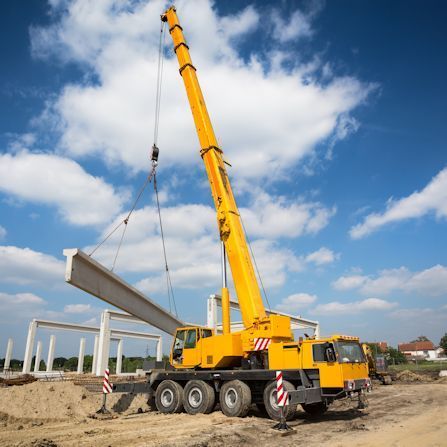
Crane Safety

The use of cranes on construction sites involves high-risk operations and requires strict compliance with safety regulations. Improper crane operation, inadequate equipment maintenance, incorrect load handling, and poor coordination are among the leading causes of serious injuries and fatal accidents. Therefore, proper training for employers and personnel involved in crane operations is essential to ensure safe planning and execution of lifting activities.
The Crane Safety intensive theoretical and practical training program is designed to provide participants with a comprehensive understanding of crane safety principles, regulatory requirements, risk management, and safe operating practices. The program is based on OSHA 29 CFR 1926 Subpart CC – Cranes and Derricks in Construction and provides internationally recognized theoretical knowledge and practical skills for safe crane operations.
Program Components
1. Crane Types and Safety Fundamentals
- Types of cranes used on construction sites;
- Common hazards associated with crane operations;
- Risks related to moving equipment and the use of hand and power tools.
2. Roles, Responsibilities, and Qualification Requirements
- Roles and responsibilities of the Controlling Employer and the Assembly/Disassembly (A/D) Director;
- Requirements for Qualified Persons and Competent Persons;
- Certification requirements for crane operators, riggers, and signal persons;
- Initial and refresher training requirements for crane operators.
3. Safe Operation and Equipment Inspection
- Operating cranes within their rated capacity;
- Compliance with manufacturer requirements and qualified person recommendations;
- Pre-shift, monthly, and frequent inspection requirements;
- Safe maintenance procedures for cranes removed from service.
4. Safe Work Practices
- Operator responsibilities during suspended load handling;
- Pre-operation safety checks and crane operational inspections;
- Effective use of standard hand signals and work zone control;
- Safety requirements, limitations, and special precautions for personnel hoisting.
Who Should Attend?
✅ Crane operators;
✅ Riggers and signal persons;
✅ Construction and infrastructure project personnel;
✅ Site supervisors and project managers;
✅ Occupational Safety and Health (OSH) professionals and inspectors;
✅ Anyone involved in planning, supervising, or managing crane operations.
⏱️ Duration: 5–7 hours
📍 Format: Certification training – theoretical and practical sessions
📜 Certificate: Issued upon successful completion of the final assessment (examination).